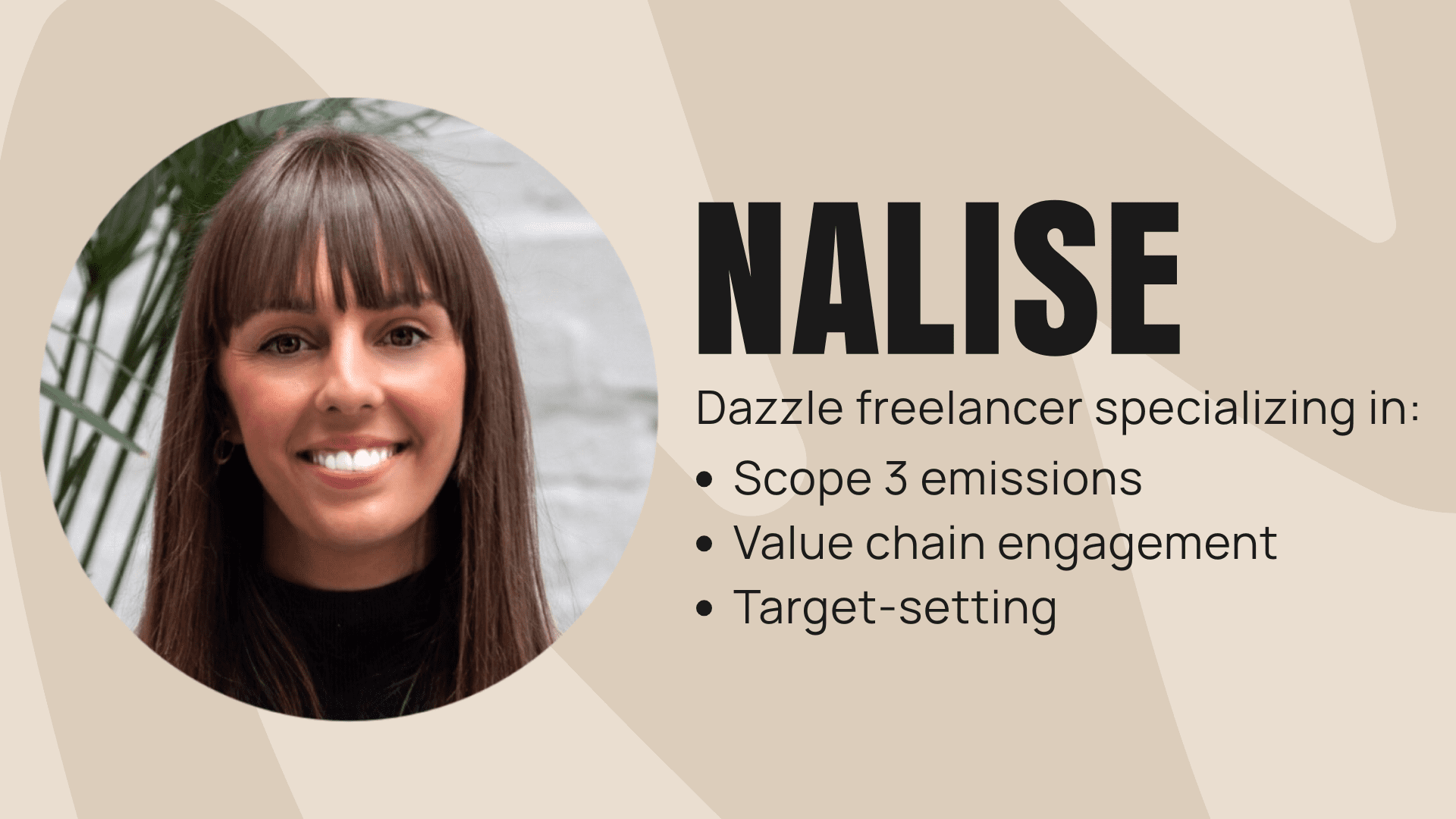

Scope 3 emissions are, by almost every measure, the hardest part of a company’s carbon footprint to get right. They span your entire value chain, from the raw materials your suppliers use to what happens to your product after a customer is done with it. That complexity is exactly why more organizations are turning to a specialized scope 3 freelance consultant rather than trying to figure it all out in-house or handing it off to a large generalist firm.
But what does one of these consultants actually do when they show up to work? And how do you know whether bringing one in is the right move for your organization? Let’s break it down.
Core tasks a scope 3 consultant handles day-to-day
A scope 3 consultant’s day-to-day work is deeply technical and highly specific to your value chain. Unlike a generalist sustainability consultant who might work across a wide range of environmental topics, a scope 3 specialist focuses squarely on indirect emissions across all 15 categories defined by the GHG Protocol, from purchased goods and services to business travel, waste, and end-of-life treatment of sold products.
In practice, their work tends to fall into a few distinct areas:
- Emissions mapping and category prioritization: Before any numbers get crunched, the consultant maps out which scope 3 categories are material to your business. Not every category is equally relevant, and a good consultant helps you focus where it counts.
- Data collection and supplier engagement: Gathering activity data from across your supply chain is often the most time-consuming part. The consultant designs data collection processes, builds supplier questionnaires, and helps interpret the results.
- Carbon accounting and calculation: Using appropriate emission factors and methodologies, they translate raw data into a credible scope 3 inventory. This is where technical rigor really matters.
- Reporting alignment: Depending on your goals, the consultant may align your scope 3 data with frameworks like CDP or CSRD disclosures, or help you set targets through SBTi.
- Reduction strategy: Some scope 3 consultants go beyond measurement and work with you to identify the highest-impact levers for actually reducing emissions across your value chain.
What ties all of this together is a combination of methodological expertise and practical problem-solving. A scope 3 engagement isn’t just a data exercise; it’s a process of making sense of a messy, distributed supply chain and turning that complexity into something actionable. That’s a skill set that takes years to develop, which is why finding the right person matters so much.
How scope 3 expertise differs from general sustainability consulting
It’s worth being clear here: sustainability consulting is not one-size-fits-all. The field is genuinely specialized, and a consultant who excels at CSRD reporting or EU Taxonomy alignment won’t necessarily have deep expertise in scope 3 carbon accounting, and vice versa.
Scope 3 work sits at the intersection of carbon accounting methodology, supply chain knowledge, and stakeholder engagement. A consultant in this space needs to be fluent in the GHG Protocol’s Corporate Value Chain Standard, understand how to work with spend-based versus activity-based data, and know how to handle the inevitable gaps and uncertainties that come with measuring indirect emissions. That’s a different skill set from, say, an LCA specialist or a sustainability reporting expert, even though there’s some overlap.
This distinction matters when you’re hiring. Bringing in a generalist when you need a scope 3 specialist is a bit like asking a general practitioner to perform surgery. They understand the broader picture, but the depth of technical knowledge required for scope 3 carbon accounting is its own discipline. Being specific about what you need will save you a lot of time and frustration.
Where a freelance consultant fits into your team
A freelance sustainability expert doesn’t replace your internal team; they plug into it. How that looks in practice depends on where your organization is in its sustainability journey.
If you’re early in the process, a freelance scope 3 consultant might come in to build your inventory methodology from scratch, train your team on the fundamentals, and set up the processes you’ll use going forward. If you’re more advanced, they might step in to tackle a specific gap, like improving supplier data quality or preparing your scope 3 disclosures for a CDP submission.
Freelancers are also well-suited to interim roles. If your sustainability lead is on leave, or if you’re going through a period of rapid growth and need extra capacity, a freelance consultant can step in and keep things moving without a lengthy onboarding process. Because they’ve typically worked across multiple industries and organizations, they bring a breadth of experience that can be genuinely useful when you’re trying to solve a problem you haven’t faced before.
What to expect from a scope 3 engagement
Every scope 3 engagement looks a little different, but there’s a general shape to how they tend to unfold. Understanding that shape helps you plan better and get more out of the collaboration.
Most engagements start with a scoping phase where the consultant gets to grips with your business model, your supply chain structure, and your existing data. This is where expectations get aligned and a clear workplan gets established. From there, the work moves into data gathering and analysis, which is often iterative as new information surfaces and assumptions get refined.
Toward the end of an engagement, you’d typically expect a validated emissions inventory, clear documentation of methodology and assumptions, and some form of recommendations, whether that’s a reduction roadmap, reporting outputs, or both. A good consultant will also make sure your internal team understands what was done and why, so the work has lasting value beyond the engagement itself.
One thing to set realistic expectations around: scope 3 work is inherently imprecise. Data gaps are normal, and estimates are part of the process. A skilled consultant won’t pretend otherwise; they’ll be transparent about uncertainty and help you make defensible decisions despite it.
How to find the right scope 3 freelancer for your project
Finding a strong scope 3 freelance consultant comes down to being specific about what you need and knowing what to look for. A few things worth keeping in mind:
- Look for GHG Protocol fluency: This is the foundational methodology for scope 3 work. A consultant who knows it inside out will be far more effective than one who’s only encountered it at a surface level.
- Check for relevant sector experience: Scope 3 challenges vary significantly by industry. Someone who has worked in your sector, or has a similar supply chain structure, will get up to speed faster and spot issues that a generalist might miss.
- Clarify the scope of work upfront: Are you looking for measurement only, or do you also need a reduction strategy? Do you need alignment with a specific framework like SBTi or CDP? Being clear about this from the start helps you find someone whose expertise actually matches your needs.
- Ask about their approach to data gaps: How a consultant handles incomplete or low-quality data tells you a lot about their technical rigor and their honesty. There’s no perfect dataset in scope 3 work; what matters is how they navigate the imperfection.
- Consider fit as well as credentials: A consultant who communicates clearly, works well with your team, and understands your business context will deliver better results than one who’s technically brilliant but hard to work with.
The right match isn’t just about credentials on paper. It’s about finding someone who understands your specific challenge and has the experience to navigate it. Taking the time to define your project clearly before you start looking will make the whole process much smoother, and significantly increase your chances of a successful engagement.
Ready to find your scope 3 expert?
Scope 3 emissions are complex, but working with the right consultant makes a real difference. Whether you need someone to build your inventory methodology from the ground up, prepare your value chain disclosures, or develop a credible reduction strategy, having a specialist in your corner matters.
At Dazzle, we match organizations with pre-screened freelance sustainability experts, including scope 3 specialists with deep sector experience. Our approach is personal: we hand-pick consultants based on your specific challenge, not just a keyword match. And because our network is always active, we can connect you with the right expert within 48 hours.
If you’re ready to move forward on your scope 3 work, reach out to our team. We’d love to help you find the right fit.
If you’re interested in learning more, contact our team of experts today.
Looking for hands-on support with this? See how our Scope 3 consultants help companies build inventories that hold up to scrutiny.
Building your first Scope 3 baseline?
Scope 3 in 100 Days is a free checklist in 4 phases, from spend data to a baseline you can defend. Reviewed by an independent Scope 3 expert.
Related Articles
- How can I quickly add capacity to our CSRD reporting team?
- How do you respond to multiple CDP requests from different customers?
- What is the difference between CDP climate, water, and forests questionnaires?
- What are the benefits of going green for businesses?
- What is the difference between renewable and non-renewable energy?